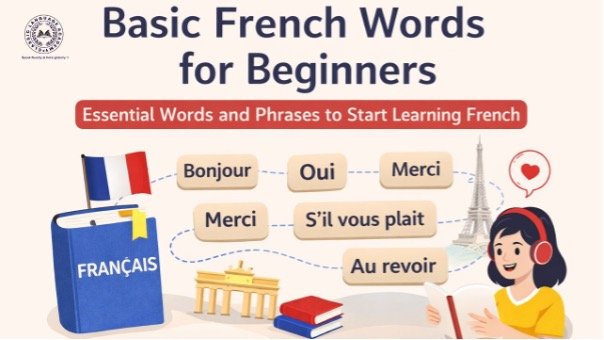
Basic French Words for Beginners
Learning a new language can be both exciting and rewarding, and French is one of the most beautiful and widely spoken languages in the world. If you’re just starting your language journey, mastering basic French words for beginners is the perfect first step. Whether your goal is travel, career advancement, education, or simply exploring a new culture, understanding the fundamentals will help you build confidence in communication.
In this comprehensive guide, you will discover common French phrases, essential French vocabulary for beginners, and simple French words used in everyday conversations. By the end of this article, you’ll have a strong foundation to learn French basics and begin speaking with ease.
Why Learn French Basics?
Before diving into vocabulary, it’s helpful to understand why learning French is beneficial.
1. A Globally Spoken Language
French is spoken by over 300 million people across five continents. It is an official language in countries such as France, Canada, Belgium, Switzerland, and many African nations.
2. Career Opportunities
Knowledge of French opens doors to careers in international business, tourism, aviation, diplomacy, and education. Many multinational companies value employees who can communicate in French.
3. Travel and Cultural Enrichment
Knowing simple French words enhances your travel experience, allowing you to interact with locals and appreciate French culture, cuisine, and art.
4. Academic Advantages
France is home to some of the world’s top universities, many of which offer affordable or free education to international students.
Basic French Greetings
Greetings are the foundation of any language. Learning these common French phrases will help you start conversations confidently.
| English | French | Pronunciation |
| Hello | Bonjour | bon-zhoor |
| Hi (informal) | Salut | sa-lu |
| Good morning | Bonjour | bon-zhoor |
| Good evening | Bonsoir | bon-swahr |
| Goodbye | Au revoir | oh ruh-vwar |
| See you soon | À bientôt | ah byan-to |
| Welcome | Bienvenue | byan-vuh-nu |
These greetings are essential components of French vocabulary for beginners and are widely used in daily interactions.
Common French Phrases for Everyday Conversations
To communicate effectively, beginners should learn frequently used common French phrases.
| English | French | Pronunciation |
| How are you? | Comment ça va ? | ko-mahn sa va |
| I am fine | Ça va bien | ko-mahn sa va |
| Thank you | Merci | ko-mahn sa va |
| Thank you very much | Merci beaucoup | mehr-see bo-koo |
| Please | S’il vous plaît | seel voo pleh |
| You’re welcome | De rien | duh ryen |
| Excuse me | Excusez-moi | ex-kew-zay mwah |
| Sorry | Désolé(e) | day-zo-lay |
| Yes | Oui | wee |
| No | Non | noh |
| Do you speak English? | Parlez-vous anglais ? | par-lay voo ahn-glay |
These phrases will help you handle everyday situations such as shopping, dining, and asking for directions.
Numbers in French
Numbers are an essential part of basic French words for beginners, especially for travel and daily communication.
| Number | French |
| 0 | Zéro |
| 1 | Un |
| 2 | Deux |
| 3 | Trois |
| 4 | Quatre |
| 5 | Cinq |
| 6 | Six |
| 7 | Sept |
| 8 | Huit |
| 9 | Neuf |
| 10 | Dix |
Once you learn these, you can easily build larger numbers and use them in real-life contexts like telling time or making purchases.
Simple French Words for Daily Use
Here are some simple French words categorized for easier learning.
Family Members
| English | French |
| Mother | Mère |
| Father | Père |
| Brother | Frère |
| Sister | Sœur |
| Friend | Ami/Amie |
Food and Drinks
| English | French |
| Water | Eau |
| Bread | Pain |
| Milk | Lait |
| Coffee | Café |
| Tea | Thé |
Days of the Week
| English | French |
| Monday | Lundi |
| Tuesday | Mardi |
| Wednesday | Mercredi |
| Thursday | Jeudi |
| Friday | Vendredi |
| Saturday | Samedi |
| Sunday | Dimanche |
These categories are essential for building a strong French vocabulary for beginners.
How to Introduce Yourself in French
Introducing yourself is a fundamental skill when you learn French basics. Here is a simple example:
Example Self-Introduction
French:
- Bonjour, je m’appelle Rahul.
- Je viens d’Inde.
- Je suis étudiant.
- J’apprends le français
English Translation:
- Hello, my name is Rahul.
- I come from India.
- I am a student.
- I am learning French
Practicing these sentences will help you feel more confident when speaking French.
Tips to Remember French Vocabulary for Beginners
1. Practice Daily
Consistency is key. Spend at least 15–20 minutes each day revising basic French words for beginners.
2. Use Flashcards
Flashcards are effective for memorizing simple French words and phrases.
3. Listen to French Audio
Listening to French songs, podcasts, or movies helps improve pronunciation and comprehension.
4. Speak Regularly
Try speaking with friends, tutors, or language partners to reinforce your learning.
5. Enroll in a Structured Course
A professional course provides guidance, practice, and certification, helping you progress faster.
Common Mistakes Beginners Should Avoid
1. Ignoring Pronunciation
French pronunciation can be tricky. Pay attention to accents and silent letters.
2. Translating Word by Word
French sentence structures differ from English. Focus on understanding phrases instead of direct translations.
3. Not Practicing Speaking
Speaking regularly is essential to building confidence and fluency.
Benefits of Learning Basic French Words
- Enhances travel experiences
- Opens global career opportunities
- Facilitates higher education abroad
- Improves cognitive abilities
- Encourages cultural appreciation
Mastering common French phrases is the first step toward fluency.
Frequently Asked Questions
1. How many French words should a beginner learn?
A beginner should aim to learn around 500–1000 essential words to communicate effectively.
2. Is French easy for beginners?
French is considered relatively easy to learn, especially for English speakers, due to shared vocabulary.
3. How long does it take to learn French basics?
With regular practice, learners can grasp the basics within 2–3 months.
4. What is the best way to learn French vocabulary?
Using flashcards, language apps, and structured courses are effective methods.
5. Can I learn French online?
Yes, many institutions offer flexible online courses with certification and expert guidance.
Conclusion
Mastering basic French words for beginners is the first step toward becoming fluent in one of the world’s most elegant languages. By learning common French phrases, building French vocabulary for beginners, and practicing simple French words in everyday conversations, you can confidently learn French basics and communicate effectively.
Consistency, practice, and the right guidance will help you progress quickly. Whether your goal is travel, education, or career advancement, starting with these essential words and phrases sets you on the path to success.